
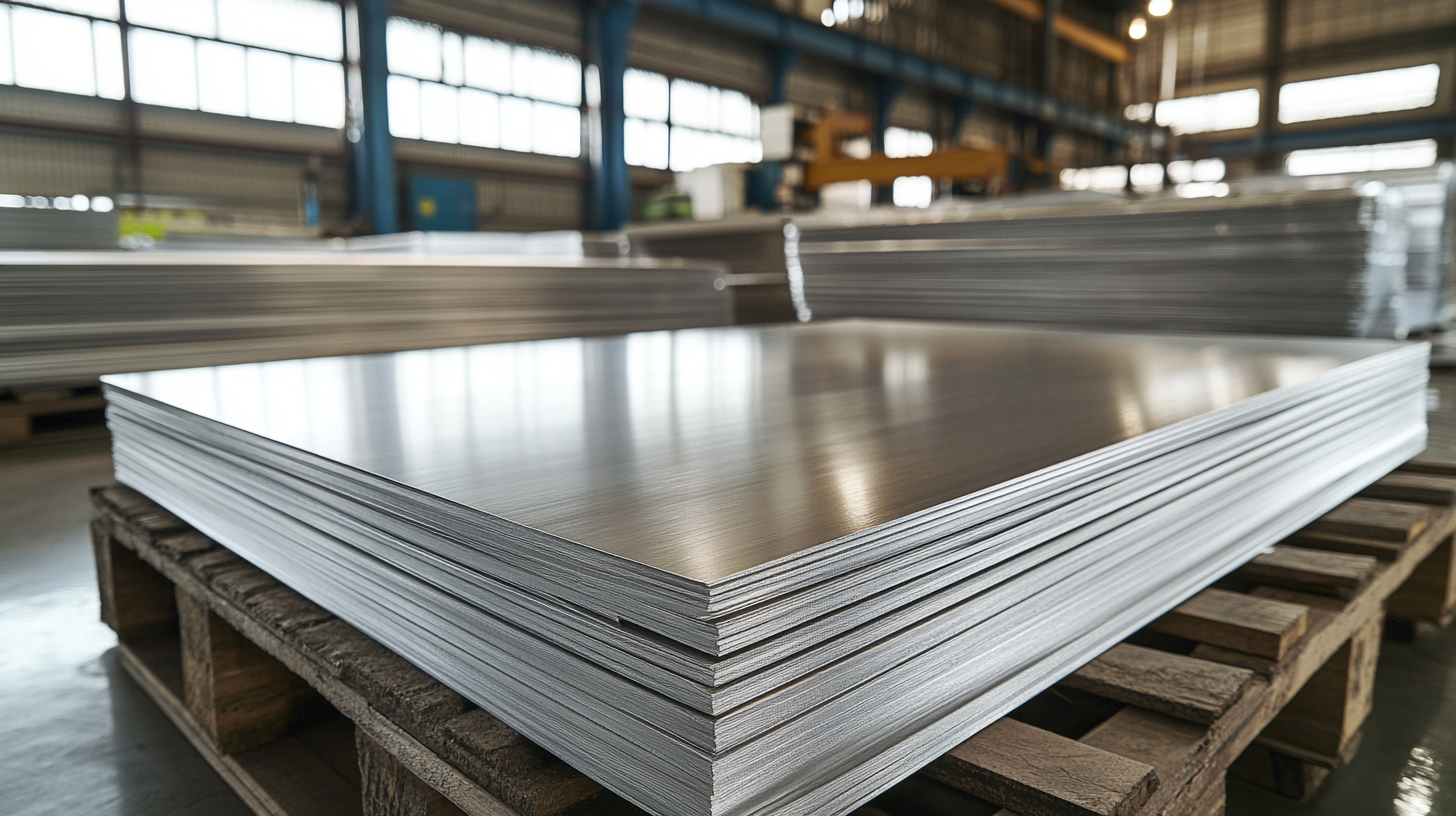
When selecting structural materials, engineers and procurement professionals increasingly weigh aluminum metal material against steel—especially where weight savings, corrosion resistance, or thermal/electrical performance matter. This technical comparison explores precise conditions under which aluminum outperforms steel, while also addressing practical considerations like copper’s selection criteria for complementary systems and the expanding application domains of aluminum metal materials—from aerospace and transportation to sustainable architecture. Designed for technical evaluators, operators, and enterprise decision-makers, this analysis bridges metallurgical fundamentals with real-world deployment insights.
Weight-Critical Applications: Where Aluminum Delivers Measurable Structural ROI
Aluminum’s density (2.7 g/cm³) is approximately 35% that of structural carbon steel (7.85 g/cm³). This fundamental difference translates directly into system-level advantages when mass reduction drives cost, energy, or performance outcomes. In mobile applications—particularly railcar bodies, electric bus frames, and aircraft fuselage panels—a 10–15% weight reduction typically yields 3–7% improvement in energy efficiency over a 15-year service life.
Crucially, aluminum’s specific strength (strength-to-density ratio) exceeds that of many low-alloy steels in the 200–300 MPa yield range. For example, 6061-T6 aluminum achieves ~240 MPa yield strength at 2.7 g/cm³, while ASTM A36 steel delivers ~250 MPa at 7.85 g/cm³—making aluminum’s specific yield strength nearly 2.8× higher. This enables thinner, lighter sections without compromising load-bearing capacity in bending- or torsion-dominant structures.
However, aluminum’s lower modulus of elasticity (~70 GPa vs. 200 GPa for steel) increases deflection under identical loading. Designers must account for this via section optimization—not direct substitution. Real-world deployments confirm viability: Alcoa reports >92% of new high-speed train body shells launched since 2020 use 6xxx- or 7xxx-series extrusions, reducing tare weight by 18–22% versus equivalent steel designs.
The table confirms aluminum’s structural advantage is not universal—but highly situational. Weight savings consistently exceed 19% across transport and modular construction, while lifecycle benefits include reduced maintenance labor (by 3–5 hours/100 m²/year), lower crane rental costs, and extended service intervals. These quantifiable gains shift total cost of ownership decisively in aluminum’s favor where logistics, fatigue cycles, or energy consumption dominate the value equation.
Corrosion Resistance & Lifecycle Cost in Aggressive Environments
In chloride-rich or acidic atmospheres—coastal infrastructure, wastewater treatment plants, chemical processing facilities—aluminum forms a self-healing oxide layer (Al₂O₃) that resists pitting and crevice corrosion far more effectively than uncoated carbon steel. While galvanized steel offers protection, its zinc coating depletes at ~0.8–1.2 µm/year in marine environments, exposing base metal after 15–20 years. In contrast, 5083 and 6061 alloys maintain structural integrity for ≥40 years in ISO 9223 C5-M exposure zones without coating.
Thermal expansion mismatch between steel fasteners and aluminum members remains a key design risk. Using stainless steel (A4-80) bolts with isolation sleeves reduces galvanic current to <0.5 µA/cm²—well below the 5 µA/cm² threshold for accelerated corrosion. Proper joint detailing, including sealant application and drainage provision, extends service life by 2–3× versus poorly executed assemblies.
Life-cycle assessment (LCA) data from the International Aluminum Institute shows aluminum-intensive bridges incur 22–28% lower maintenance cost over 75 years compared to painted steel alternatives—despite 15–20% higher initial material cost. The break-even point occurs at year 12–14, accelerating with rising labor rates and stricter environmental compliance penalties.
Thermal & Electrical Performance: When Conductivity Becomes Structural
Aluminum’s electrical conductivity (37.7 MS/m at 20°C) is 61% that of copper but over 10× higher than carbon steel (3.5 MS/m). In grounding systems, busbar enclosures, and electromagnetic shielding structures, this property eliminates separate conductor runs. For example, aluminum roof decking used in data center buildings serves dual roles: structural skin and equipotential bonding plane—reducing grounding conductor length by 65–70% versus steel-framed alternatives.
Thermally, aluminum’s conductivity (237 W/m·K) is 4× greater than steel (50 W/m·K). In HVAC ductwork, heat exchanger supports, or battery module frames, this enables rapid thermal equalization—critical for lithium-ion battery packs where ±2°C cell-to-cell variance reduces cycle life by 30%. Aluminum frames maintain uniform temperature distribution across 120-cell modules with ≤1.1°C gradient under 3C discharge.
The comparative table highlights that aluminum’s mechanical parity with common structural steels—combined with superior thermal/electrical behavior—makes it a functional upgrade, not merely a lightweight substitute. Designers gain integrated functionality: one component delivering structure, grounding, and thermal management simultaneously.
Procurement & Fabrication Considerations for Technical Decision-Makers
Procurement teams must evaluate beyond unit price. Aluminum requires specialized joining techniques: friction stir welding (FSW) for thick-section integrity, or MIG with pulsed current and 4043/5356 filler for consistent penetration. Lead times for custom extrusions average 8–12 weeks versus 2–4 weeks for standard steel sections. However, fabrication labor drops 30–40% due to easier machining, drilling, and forming—offsetting schedule pressure.
Key evaluation metrics include: (1) total installed cost per kN·m of bending resistance, (2) maintenance frequency (target: ≤1 inspection/10 years in C4 environments), and (3) recyclability rate (aluminum retains 95% of original energy value after recycling vs. 65% for steel). For projects with ESG reporting requirements, aluminum’s 75% average recycled content adds measurable sustainability points.
Conclusion: Strategic Selection, Not Substitution
Aluminum outperforms steel structurally when weight, corrosion, thermal management, or electrical integration define project success—not when raw tensile strength alone dominates. Its advantages crystallize in transportation, coastal infrastructure, modular construction, and electrified systems where lifecycle cost, energy efficiency, and multi-functionality outweigh upfront material premiums.
For technical evaluators, the decision hinges on three validated thresholds: (1) weight-sensitive applications with ≥15% mass reduction potential, (2) chloride exposure exceeding ISO 9223 C4 classification, or (3) thermal/electrical performance requirements that demand integrated conduction pathways. Crossing any one threshold justifies detailed aluminum feasibility analysis.
To determine optimal material strategy for your next structural project—including alloy selection, section optimization, and fabrication partner vetting—contact our metallurgical engineering team for a no-cost technical assessment.
Get real-time quotes
Interested? Leave your contact details.